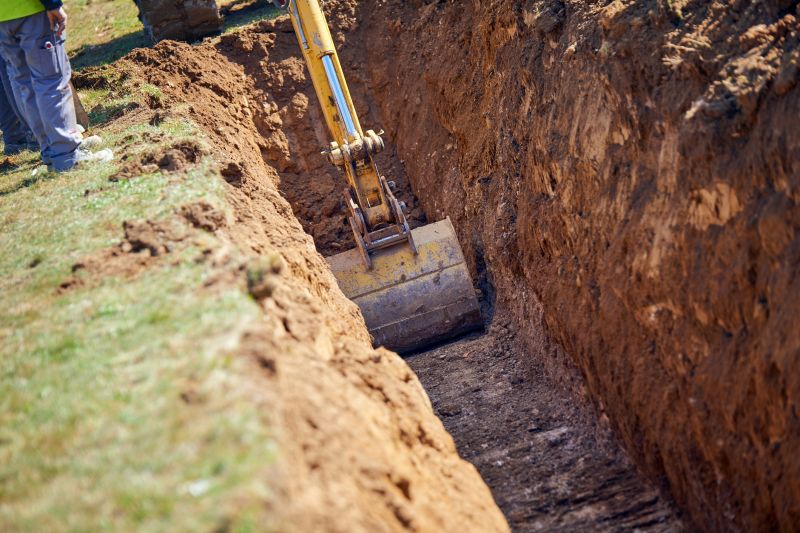
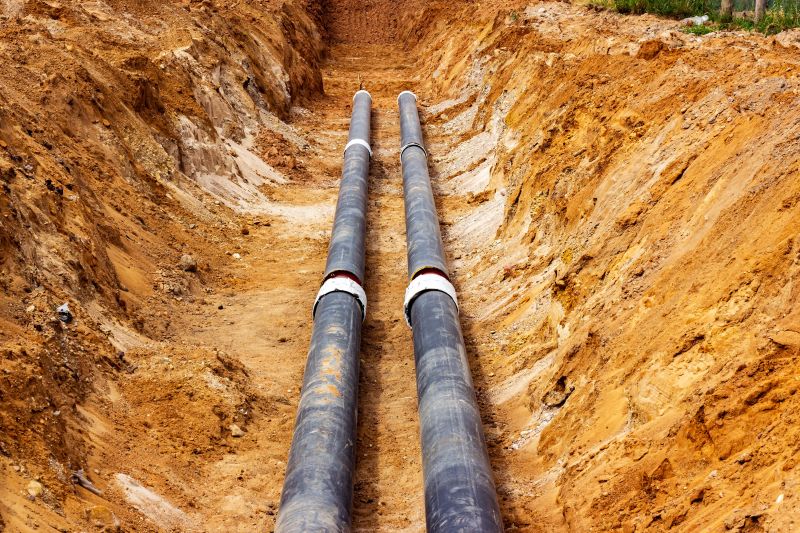
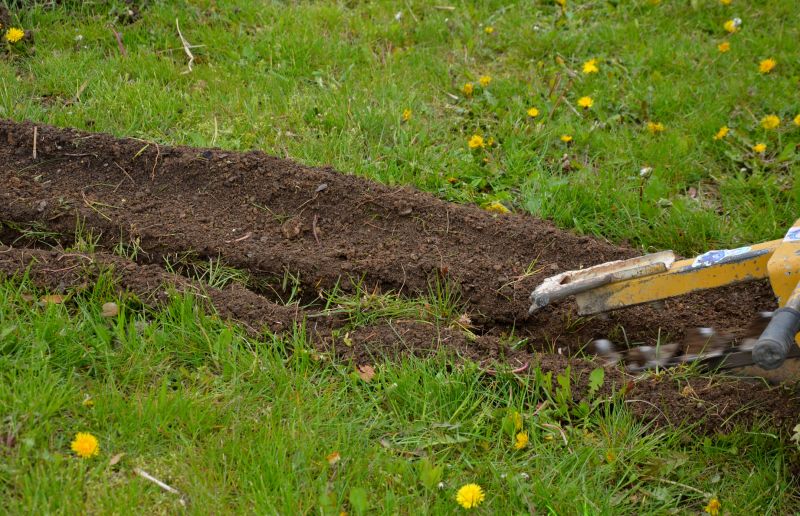
Overview of Trenching Services for Property Owners
This page explains trenching services offered by local contractors and helps property owners compare options and connect with nearby service providers.
- - Residential property owners seeking to install or upgrade underground utilities or drainage systems.
- - Commercial businesses requiring trenching for infrastructure installation or maintenance projects.
- - Contractors or project managers comparing local trenching service providers for specific project needs.
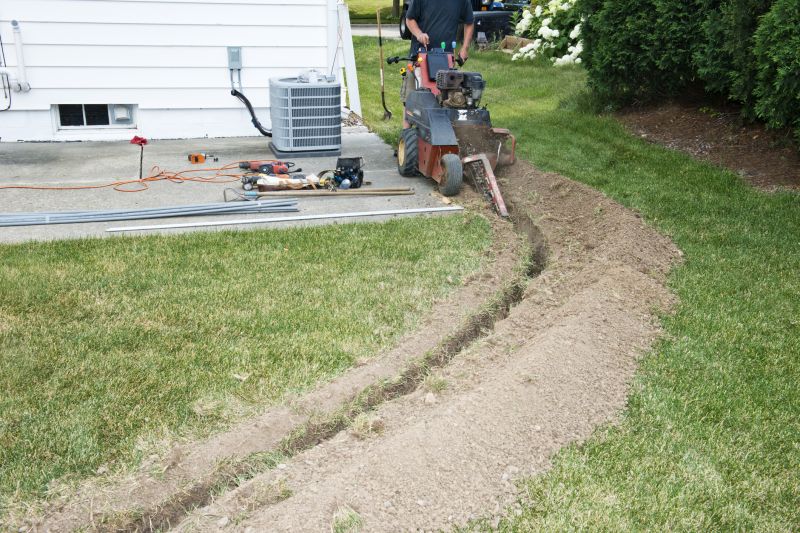
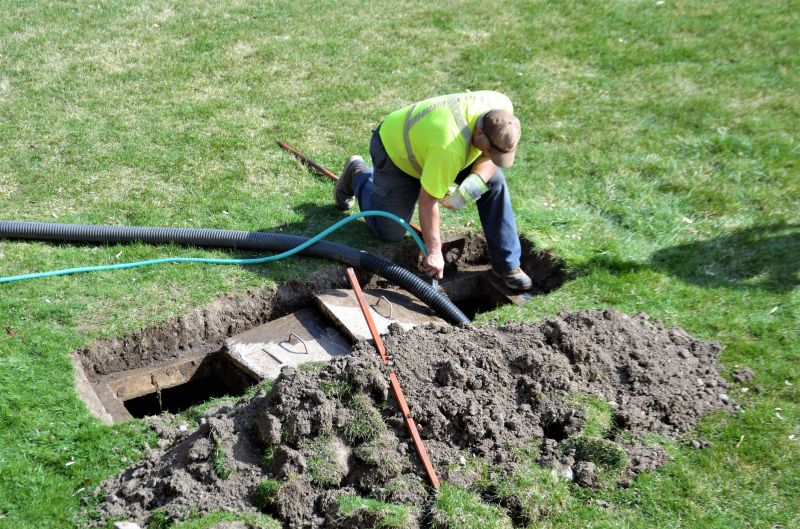
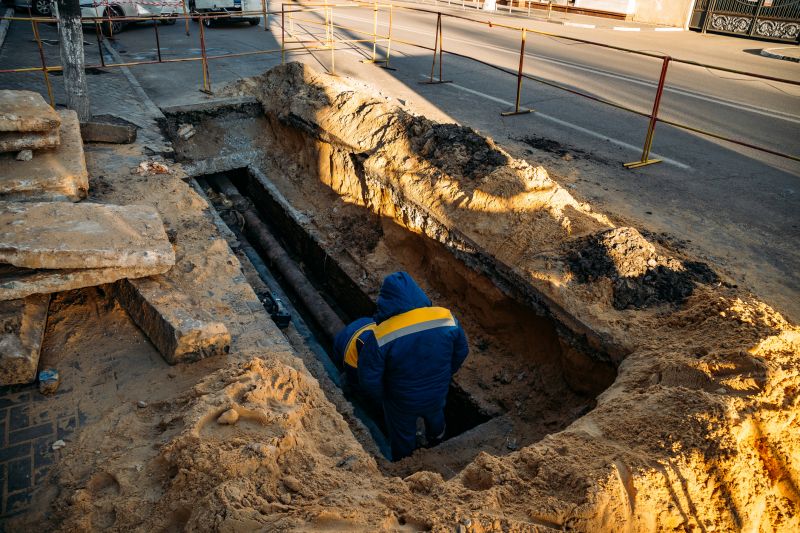
Trenching services involve digging narrow, deep channels in the ground to facilitate the installation of utilities, drainage systems, or other infrastructure. Property owners often seek help from local contractors when planning projects that require precise excavation work, such as laying pipes, cables, or irrigation lines. These professionals are experienced in handling different soil conditions and ensuring that trenches are dug accurately to meet project specifications, all while minimizing disruption to the surrounding property.
Local service providers specializing in trenching typically offer a range of solutions tailored to residential, commercial, or industrial needs. They manage tasks that may include site assessment, planning, and executing trenching projects of various sizes. Property owners can expect these pros to follow industry best practices, ensuring the work is completed efficiently and effectively, whether it's for a small repair or a larger construction project.
This guide provides helpful information to understand the basics of trenching services and what to consider when planning a project. It assists in comparing local contractors and connecting with experienced professionals who handle trenching work. By reviewing this information, visitors can better prepare to discuss their project needs with trusted service providers.